What Counts as a Plant?
Herbs, spices, legumes — here is exactly how to score your 30.
The 7 categories
Every plant you eat counts — but only if it belongs to one of these seven categories:
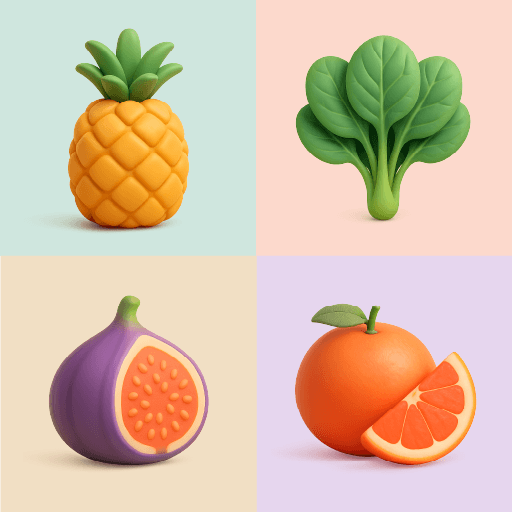
- Fruit — apples, berries, mango, avocado, tomato
- Vegetables — broccoli, spinach, carrot, onion, sweet potato
- Legumes — lentils, chickpeas, black beans, edamame, peas
- Whole grains — oats, brown rice, quinoa, barley, rye
- Nuts — almonds, walnuts, cashews, pecans, pistachios
- Seeds — sunflower seeds, pumpkin seeds, flaxseed, chia, sesame
- Herbs & spices — cumin, turmeric, basil, ginger, garlic, cinnamon
Each unique plant counts once per week
Eating broccoli on Monday and Wednesday counts as one plant for the week, not two. The goal is breadth, not repetition. Adding a new plant you have never eaten before counts the same as an old favourite — one point.
Herbs and spices: the secret weapon
This is the most overlooked category. Most people cook with 5–10 different herbs and spices regularly without thinking of them as plants. If your curry contains cumin, coriander, turmeric, and chilli — that is four plants right there.
Small quantities still count. A pinch of cinnamon in your porridge is a legitimate plant. The phytochemical diversity in herbs and spices is genuinely significant — researchers have found that spice consumption is one of the stronger predictors of microbiome diversity.
What does not count
- Refined extracts — white sugar (from sugarcane) does not count; the plant has been stripped away
- White flour — the bran and germ are removed, so it does not count the way whole wheat flour does
- Fruit juice — counts the same as the fruit itself, not as a bonus plant
- The same plant twice — eating spinach twice in one week is still one plant
Practical tip
The fastest way to add variety is to diversify your seasoning shelf. A well-stocked spice rack can quietly add 10–15 plants per week to your count without changing what you eat for dinner.
Sources & citations
- Dahl & Stewart (2015). Dietary Fiber and the Human Gut Microbiota. 10.3945/an.115.009464
- Koh et al. (2016). From Dietary Fiber to Host Physiology: Short-Chain Fatty Acids as Key Bacterial Metabolites. 10.1016/j.cell.2016.05.041